Showing posts with label algae. Show all posts
Showing posts with label algae. Show all posts
11/2/25
CABRILLO MARINE AQUARIUM SOUTHERN CALIFORNIA SPECIES - INCLUDING THE BLACK ABALONE, ACORN BARNACLE, BLUE SHARKS, and SO MANY OTHERS
CABRILLO MARINE AQUARIUM : SOUTHERN CALIFORNIA SPECIES Check out this list ! Click on the photograph and go to the science facts!
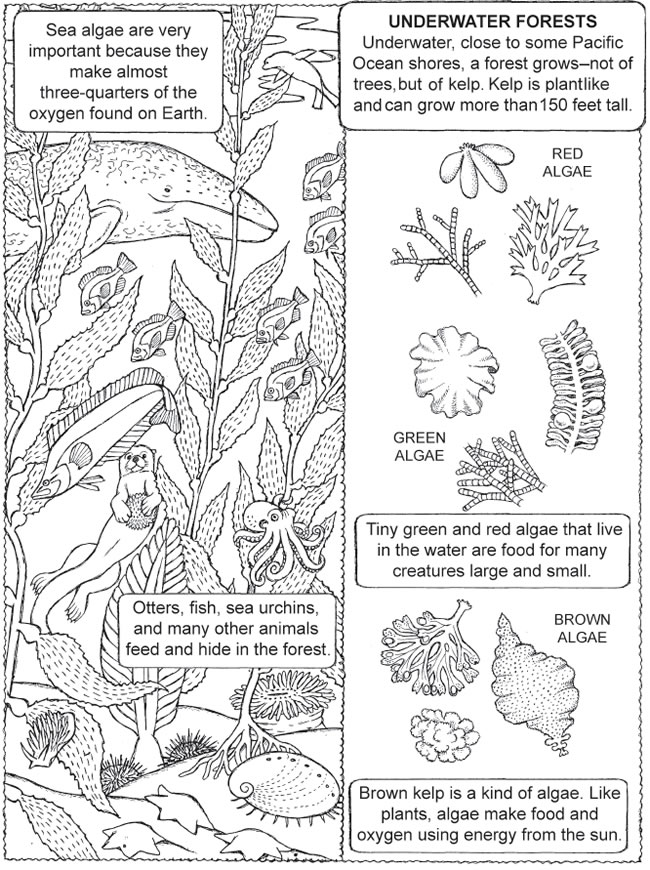
Which of these creatures are considered to be HERBVORES because they eat algae?
10/7/25
DEVILS HOLE PUPFISH ENDANGERED DUE TO HABITAT DAMAGED BY QUAKES
US FISH AND WILDLIFE SERVICES : PUPFISH
Excerpt: The Devils Hole pupfish lives in a deep limestone cave in Nevada. This entire population of pupfish feeds and breeds on a shallow shelf only 215 square feet (20 square meters) along one side of Devils Hole. Devils Hole pupfish feed primarily on algae that grows on the limestone shelf and small invertebrates.
****
THAT'S RIGHT - THE ENTIRE PUPFISH POPULATION DEPENDS ON A TINY ECOSYSTEM.
I READ FAIRLY RECENT ARTICLES THAT SAID THAT THIS FISH HAD MADE A COMEBACK BUT THE NEW IS BAD:
DAILY MAIL UK : PUPFISH DECLINE TO ONLY TWENTY FISH
Excerpt: The tiny silvery-blue pupfish rely on a shallow shelf at the cave's mouth for their food and spawning, according to the National Park Service (NPS).
But the generally calm and sheltered home for the tiny fish has been prone to water surges caused by earthquakes that displace the algae and invertebrates that pupfish eat, KVVU reported.
Kevin Wilson, Death Valley National Park's Supervisory Biologist and Devil's Hole Program Manager, told the outlet that the back-to-back disruptions to the ecosystem have depleted the Devil's Hole pupfish population by 90 percent.
Through 24/7 monitoring, national park officials are striving to protect and restore the suffering population.
Excerpt: The Devils Hole pupfish lives in a deep limestone cave in Nevada. This entire population of pupfish feeds and breeds on a shallow shelf only 215 square feet (20 square meters) along one side of Devils Hole. Devils Hole pupfish feed primarily on algae that grows on the limestone shelf and small invertebrates.
****
THAT'S RIGHT - THE ENTIRE PUPFISH POPULATION DEPENDS ON A TINY ECOSYSTEM.
I READ FAIRLY RECENT ARTICLES THAT SAID THAT THIS FISH HAD MADE A COMEBACK BUT THE NEW IS BAD:
DAILY MAIL UK : PUPFISH DECLINE TO ONLY TWENTY FISH
Excerpt: The tiny silvery-blue pupfish rely on a shallow shelf at the cave's mouth for their food and spawning, according to the National Park Service (NPS).
But the generally calm and sheltered home for the tiny fish has been prone to water surges caused by earthquakes that displace the algae and invertebrates that pupfish eat, KVVU reported.
Kevin Wilson, Death Valley National Park's Supervisory Biologist and Devil's Hole Program Manager, told the outlet that the back-to-back disruptions to the ecosystem have depleted the Devil's Hole pupfish population by 90 percent.
Through 24/7 monitoring, national park officials are striving to protect and restore the suffering population.
5/26/20
4/28/20
BIOLUMINESCENT ALGAE MAKES SWIMMING DOLPHINS GLOW
DAILY MAIL SCIENCE : SWIMMING DOLPHINS BIOLUMINESCENT GLOW
Excerpt: According to Mr. (Patrick) Coyne, the footage was challenging to film and required the perfect conditions - with bioluminescence being both difficult to spot and inherently short-lived in nature.
The glowing effect, often referred to as 'the fire of the sea', is produced by microscopic, single-celled organisms known as dinoflagellates, specifically those of the species Noctiluca scintillans.
***
Check out the amazing photos and video at the link. The photographer Patrick Coyne explains how difficult it was to film.
Subscribe to:
Posts (Atom)